
Iron deficiency is one of the most common nutritional issues in children worldwide. And the tricky part? Kids can look fine for a long time while their iron stores are already running low — affecting energy, sleep, and even behaviour.
Read More
Iron deficiency is one of the most common nutritional issues in children worldwide. And the tricky part? Kids can look fine for a long time while their iron stores are already running low — affecting energy, sleep, and even behaviour.
Read MoreDo kids really need to eat vegetables every day to be healthy? While vegetables are nutritious, many of the same vitamins, minerals, fibre, and phytochemicals can also be found in fruits, whole grains, legumes, nuts, and seeds. The key is not perfection at dinner, but overall variety across the whole day.
Read MoreIn this episode, Karina Savage explores why some children overeat and explains that food is meant to be enjoyed while also being guided by the body’s natural hunger and fullness signals. She breaks down how hormones like ghrelin and leptin regulate appetite and why kids may overeat due to habits, environment, or emotional cues. The episode also shares practical strategies for parents to build healthier eating routines without restriction or pressure.
Read MoreIs a Sugar-Free Diet Healthy for Children? Find out in The Easy Feed Podcast, with Leading Paediatric Dietitian, Karina Savage
Read MoreDinner time can quickly turn into a battle when parents pressure or bribe children to eat certain foods. But this often has the opposite effect - making kids more resistant and less likely to try those foods in the long run. A calmer, pressure-free environment helps children build a healthier relationship with food over time.
Read MoreCooking multiple meals every night for fussy eaters can quickly become exhausting, time-consuming, and frustrating for parents. But instead of preparing separate dishes, there’s a simpler way—cook one meal and deconstruct it into protein, vegetables, and carbs, then swap in safe foods your child will actually eat. This approach reduces stress in the kitchen while still supporting children to gradually explore and accept new foods over time.
Read MoreSalt is essential for the body, but most children are consuming far more than they need without parents realizing it. Many everyday foods like bread, cheese, cereals, and fast food are major hidden sources of sodium, which can add up quickly across the day. Over time, high salt intake can shape children’s taste preferences and increase long-term health risks, making it important to be mindful early on.
Read MoreBread is a staple in many children’s diets, but not all options are equal—whole grain and sourdough varieties provide more fibre, nutrients, and slower energy release compared to highly refined white bread. Choosing less processed or freshly baked options can help reduce additives and support better long-term health, while still fitting in with what kids will actually eat. Even within white bread options, parents can improve nutrition by checking labels for higher fibre and lower sodium.
Read MoreMum guilt can show up in the most ordinary moments, like worrying you didn’t do enough for your child even while doing everyday tasks. It often gets amplified by social media comparisons, making us feel like we’re falling short as parents. But much of this pressure comes from unrealistic expectations, not from what our children actually need.
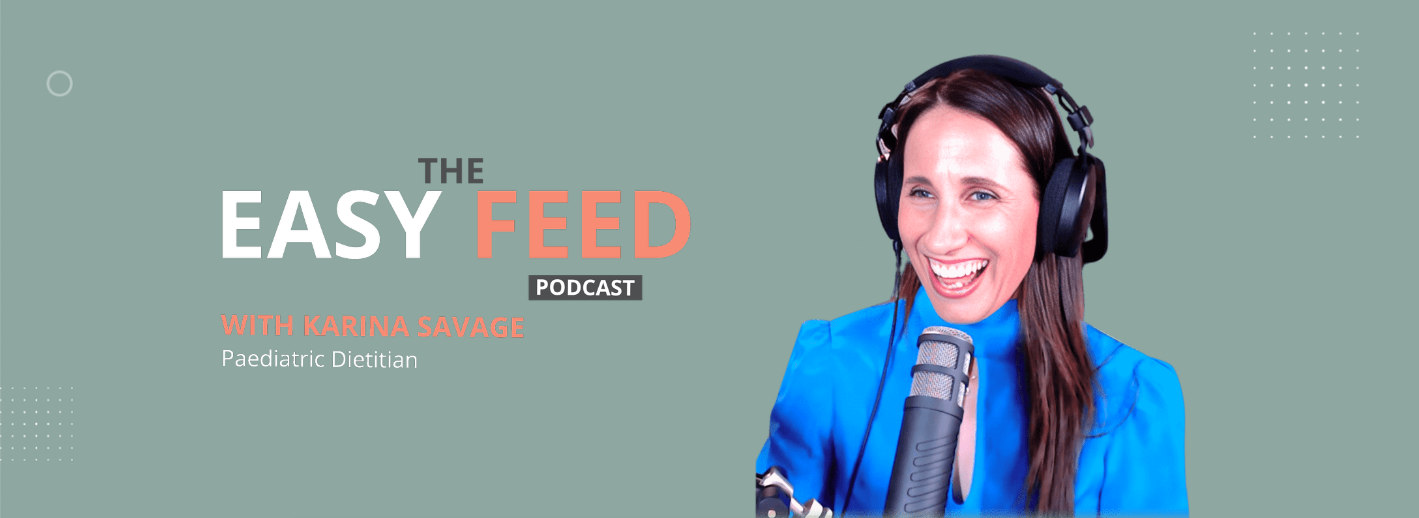
Read MoreKarina Savage, Leading Paediatric Dietitian launches her very own Podcast - The Easy Feed! After 22 years of clinical practise as a paediatric dietitian and 12 years experience as a mum feeding kids, she thought it was time to share it with the world! Tune in for practical, doable tips to maximise your family’s nutrition!
Read More